Medieval-Inspired Soul Cakes
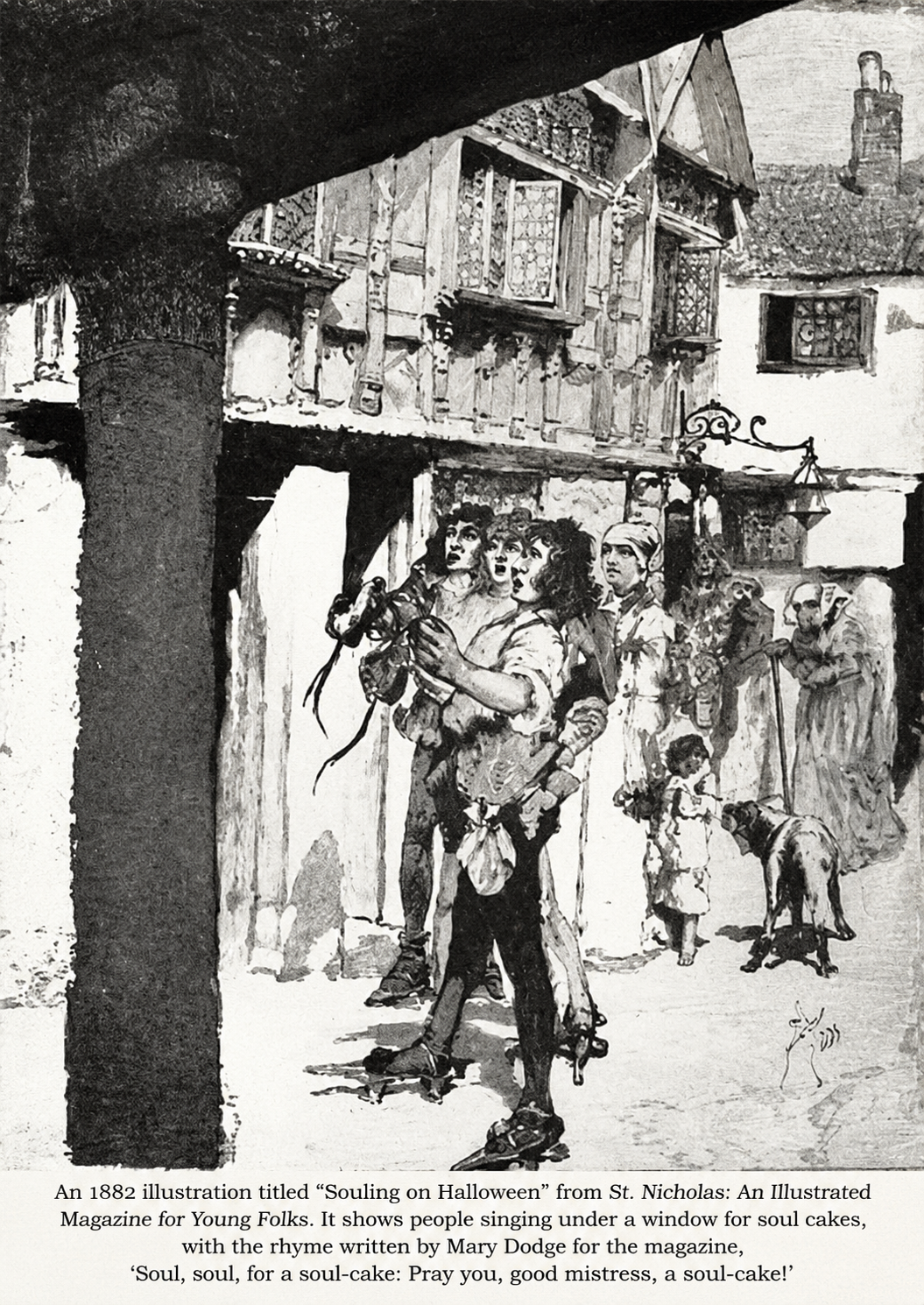
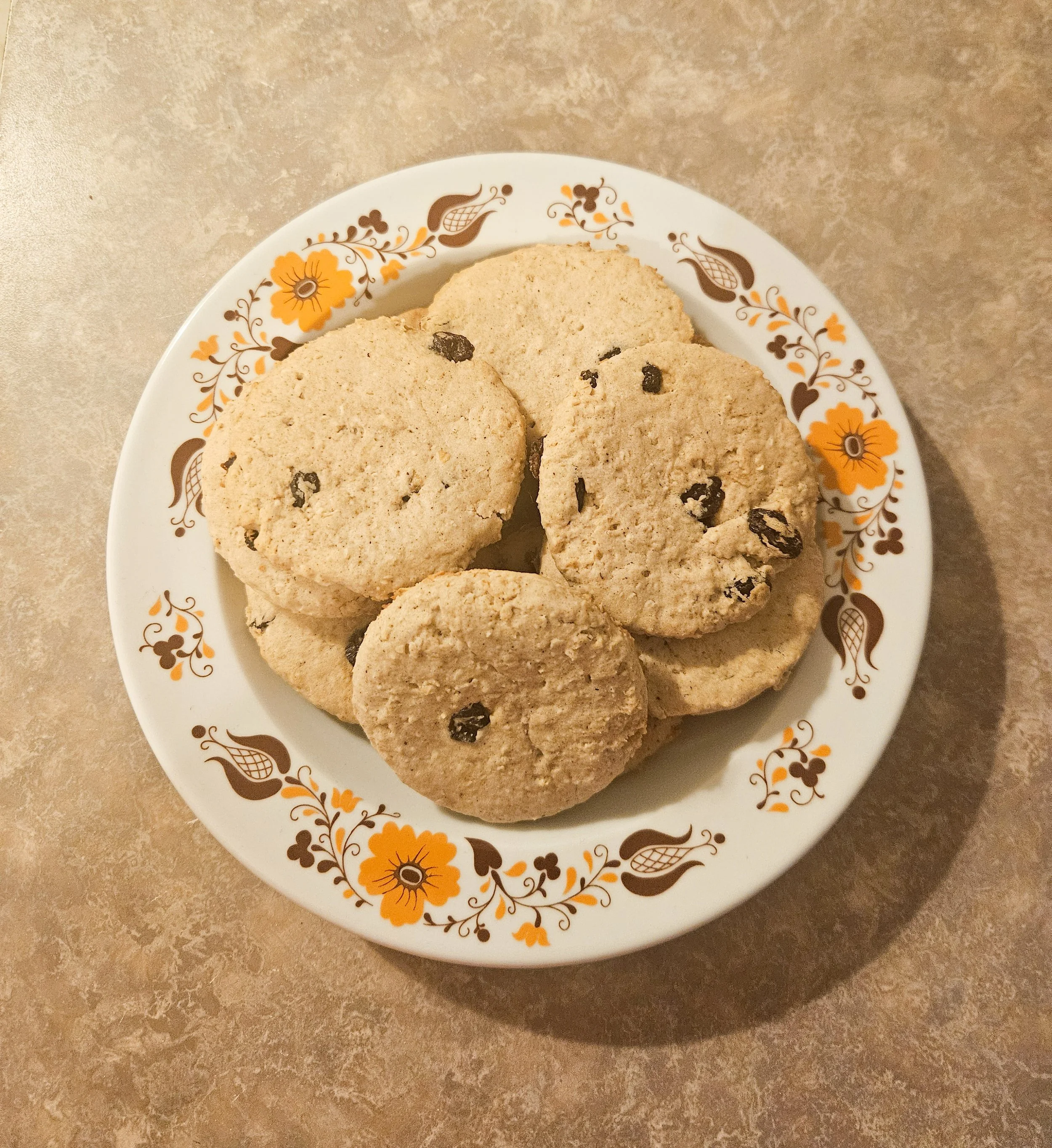
Soul cakes are a centuries-old English tradition associated with Halloween, All Saints’ Day, and All Souls’ Day and the commemoration of the dead. Around this time of year, poorer members of the community would go from house to house in a custom that became known as “souling.” In exchange for food, they offered prayers for the souls of the giver’s deceased family members and friends. Among the foods distributed were small cakes that eventually became known as soul cakes.
The tradition can be traced to around 1400, though even by then the custom was apparently already very old. Around the turn of the 15th century, English cleric John Mirk wrote: “We read in olden time good people would on All Halloween Day bake bread and deal it for all Christian souls.”
No complete medieval recipe survives to tell us exactly how these cakes were made. Because of that, these Medieval-Inspired Soul Cakes are my interpretation of what an early soul cake might have been like rather than a reproduction of a specific medieval recipe. For my version, I chose a combination of all-purpose flour and finely ground oats to give the cakes a slightly rustic texture. Oat-based soul cakes are supported by later historical descriptions, while oats and other grains would have been familiar ingredients in medieval Britain.
I used honey as the sweetener because it was used in medieval cooking, along with butter, milk, and an egg to create a simple, rich dough. Raisins add a little natural sweetness and reflect the use of dried fruits in medieval English cooking, particularly in wealthier households. The spices were also chosen with historical cooking in mind. Ginger, cinnamon, cloves, and nutmeg were known in medieval English kitchens, although imported spices were valuable and their availability depended greatly on wealth and status. My combination of ginger, cinnamon, nutmeg, and cloves gives the cakes the warm flavor we now associate with autumn while drawing inspiration from spices used historically.
Although a cross on top is strongly associated with soul cakes today, it is difficult to determine exactly when it became part of the tradition. Surviving medieval sources provide very little information about the precise ingredients, shape, or decoration of the cakes. There is not enough evidence to say with confidence that medieval soul cakes were routinely marked with a cross, and descriptions of cross-marked cakes are much clearer in later accounts. For that reason, I chose to leave the cross off my medieval-inspired soul cakes.
Medieval-Inspired Soul Cakes
Ingredients
1½ cups all-purpose flour
½ cup old-fashioned rolled oats, finely ground
¼ teaspoon ground ginger
½ teaspoon ground cinnamon
¼ teaspoon ground nutmeg
⅛ teaspoon ground cloves
¼ teaspoon salt
½ cup unsalted butter, softened
⅓ cup honey
1 large egg
¼ cup raisins or currants
2–4 tablespoons milk, as needed
Instructions
Place the oats in a food processor or blender and pulse until they resemble a coarse flour.
In a medium bowl, whisk together the flour, ground oats, ginger, cinnamon, nutmeg, cloves, and salt.
In a large bowl, beat the softened butter and honey together until well combined. Add the egg and beat until incorporated.
Gradually add the dry ingredients to the butter mixture, mixing until combined. Fold in the raisins or currants. Add the milk, 1 tablespoon at a time, until the mixture forms a firm but workable dough.
Cover the dough and refrigerate for 30 minutes.
Preheat the oven to 375°F. On a lightly floured surface, roll the dough to about ¼ inch thick. Cut the dough into approximately 3-inch rounds.
Arrange the cakes on a parchment-lined baking sheet. Bake for 12–14 minutes, or until the cakes are firm and lightly browned around the edges.
Transfer the soul cakes to a wire rack and allow them to cool completely.